When you think of the term micro, you immediately think of small. When you place that exact term directly in front of the word influencer, your brain automatically defaults to a small influencer with limited brand utility. That outdated corporate perspective needs to change completely if your digital brand portfolio is going to survive the current evolution of performance marketing channels.
The marketplace landscape is undergoing a massive structural shift because search engine architectures and social network algorithms are intentionally elevating creator media assets. Major channels across the ecosystem are restructuring their presentation layouts to highlight high-intent, authoritative content produced by micro-influencers. There are concrete operational procedures you can execute within your brand operating system to transform these specific partnerships into massive market awareness engines, deploying systemized amplification techniques modeled after multi-million dollar direct to consumer retail innovators like Allbirds.
NEW!
Amazon Shoppable Videos
$149.99 $49.99 ea. (SAVE 66%)
Limit 5 videos
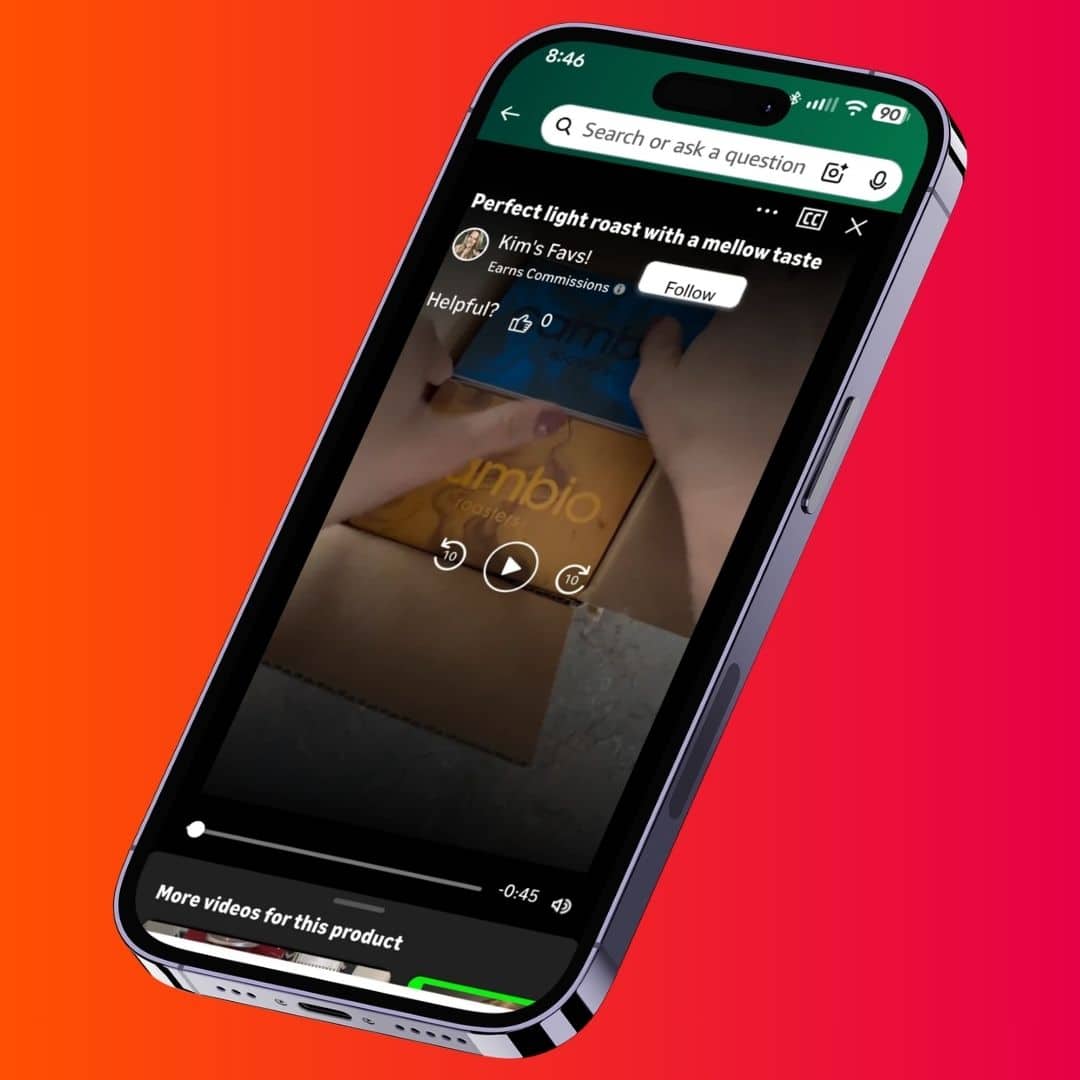
Get product reviews, unboxings, product demos, lifestyle UGC, and how-to Amazon shoppable videos from vetted Amazon Influencers.
What is a Micro-Influencer?
As a fractional chief marketing officer and top-rated Amazon Consultant with over 15 years of experience building scalable customer acquisition systems, some of my largest performance successes have come from leveraging specialized micro-influencers. These specialists build targeted, highly trusted digital media properties where active buyers gather across YouTube, editorial blogs, mainstream social channels, Twitch, Amazon Live broadcasts, and custom-curated Amazon Storefronts.
| Platform Matrix | Micro-Influencer Operating Range |
|---|---|
| YouTube Channels | 10,001 to 50,000 Monthly Video Views |
| Authority Editorial Blogs | 10,001 to 25,000 Monthly Organic Visitors |
| Social Media Networks | 10,000 to 50,000 Verified Profile Followers |

To establish a clear structural point of comparison for your performance marketing department, your team needs to evaluate how these parameters fit within general audience-size classifications. The broader influencer landscape scales across multiple tiers, moving from micro-assets into mid-tier partners, macro-level personalities, and massive mega-creators who possess millions of aggregate profile impressions.

Social Media
| Influencer Type | Audience Size |
|---|---|
| Nano-Influencers | 1,000 – 10,000 |
| Micro-Influencers | 10,001 – 50,000 |
| Mid-Tier | 50,001 – 500,000 |
| Macro-Influencers | 500,001 – 1,000,000 |
| Mega-Influencers | 1,000,001 + |

YouTube
| Influencer Type | Monthly VIews |
|---|---|
| Nano-Influencers | 1,000 – 10,000 |
| Micro-Influencers | 10,001 – 50,000 |
| Mid-Tier | 50,000 – 500,000 |
| Macro-Influencers | 500,001 – 1,000,000 |
| Mega-Influencers | 1,000,001 + |

Blog
| Influencer Type | Monthly Traffic |
|---|---|
| Nano-Influencers | 0 – 10,000 |
| Micro-Influencers | 10,001 – 25,000 |
| Mid-Tier | 25,001 – 250,000 |
| Macro-Influencers | 250,001 – 750,000 |
| Mega-Influencers | 750,001 + |
Your media buying team must monitor several distinct operational nuances when validating these performance parameters. Notice that authoritative blogs are categorized strictly by their monthly organic site sessions, while YouTube channels are evaluated based on historical monthly video views. This metric distinction is essential because modern consumers do not need to be subscribed to a creator to view their visual content, allowing search algorithms to deliver highly qualified buyers directly to their media properties.
NEW!
Amazon Shoppable Videos
$149.99 $49.99 ea. (SAVE 66%)
Limit 5 videos
Get product reviews, unboxings, product demos, lifestyle UGC, and how-to Amazon shoppable videos from vetted Amazon Influencers.
Benefits of Working With Micro-Influencers
Have you ever bypassed a massive, generic corporate food chain to dine at a highly rated local establishment because you knew the overall service would be exceptional, the execution sharper, and the product quality far superior? That localized experience is the exact operational equivalent of integrating micro-creators into your brand portfolio. You are choosing to bypass diluted, high-cost placements in favor of targeted channels that maintain close relationships with their consumer communities.

1) Algorithms Push Micro-Influencer Content
Algorithmic content distribution modules across social spaces like Instagram are heavily prioritizing niche creator content directly to the top of consumer feeds, while search engine systems like Google’s helpful content parameters execute identical structural updates. These systematic platform shifts mean small, high-quality media properties are continually gaining visibility advantages over massive historical publishers.
2) Micro-Influencers Have Hyper-Engaged Audiences
Nano-creators and micro-influencers secure the absolute highest verified interaction baselines across the digital media industry, which translates directly into downstream purchase metrics for your product lines. Their audience segments do not simply view content passively; they interact with recommendation links with high commercial intent.
3) Consumers Trust Micro-Influencers More Than Brands
Modern consumers have developed a natural resistance to standard corporate advertising assets, choosing instead to trust real-world peer recommendations. Research indicates that 61% of target buyers openly trust independent creator reviews over branded corporate messaging, making authentic narrative integration an essential trust asset for your company.
4) Micro-Influencers Are Easier To Work With
From managing cross-channel campaigns over the last decade, I have found that smaller creators are significantly more collaborative, agile, and aligned with your team’s operational processes. They lack the complex legal barriers and rigid communications frameworks typically managed by talent representation firms, allowing your managers to optimize campaigns quickly.
5) Micro-Influencers Are Typically More Cost Effective
A primary capital benefit of prioritizing these partnerships is that they require lower initial media spend and demonstrate greater flexibility regarding asset licensing models. This allows your brand optimization team to seed multiple product lines across a diversified array of niche accounts rather than placing all your capital into a single high-risk placement.
How Much Do Micro-Influencers Cost?
Because micro-creators maintain focused audience profiles, their initial asset acquisition and baseline placement costs are exceptionally capital-efficient for brand managers. This structural efficiency allows your digital growth portfolio to secure high-converting content placements without over-allocating capital away from other performance channels. Let us evaluate how standard baseline rates scale across the modern creator market.
| Influencer Size | Rate |
|---|---|
| Nano-Influencers (1,000 – 10,000 Followers) | $10-$100 per post |
| Micro-Influencers (10,001 – 50,000 Followers) | $100–$500 per post |
| Mid-Tier (50,001 – 500,000 Followers) | $500–$5,000 per post |
| Macro-Influencers (500,001 – 1,000,000) | $5,000–$10,000 per post |
| Mega-Influencers (1,000,001 + Followers) | $10,000+ per post |
YouTube
| Influencer Size | Rate |
|---|---|
| Nano-Influencers (1,000 – 10,000 Monthly Views) | $20–$200 per video |
| Micro-Influencers (10,001 – 50,000 Monthly Views) | $200–$1,000 per video |
| Mid-Tier (50,000 – 500,000 Monthly Views) | $1,000–$10,000 per video |
| Macro-Influencers (500,001 – 1,000,000 Monthly Views) | $10,000–$20,000 per video |
| Mega-Influencers (1,000,001 + Monthly Views) | $20,000+ per video |
TikTok
| Influencer Size | Rate |
|---|---|
| Nano-Influencers (1,000 – 10,000 Followers) | $5–$25 per post |
| Micro-Influencers (10,001 – 50,000 Followers) | $25–$125 per post |
| Mid-Tier (50,001 – 500,000 Followers) | $125–$1,250 per post |
| Macro-Influencers (500,001 – 1,000,000) | $1,250–$2,500 per post |
| Mega-Influencers (1,000,001 + Followers) | $2,500+ per post |
X
| Influencer Size | Rate |
|---|---|
| Nano-Influencers (1,000 – 10,000 Followers) | $2–$20 per post |
| Micro-Influencers (10,001 – 50,000 Followers) | $20–$100 per post |
| Mid-Tier (50,001 – 500,000 Followers) | $100–$1,000 per post |
| Macro-Influencers (500,001 – 1,000,000) | $1,000–$2,000 per post |
| Mega-Influencers (1,000,001 + Followers) | $2,000+ per post |
| Influencer Size | Rate |
|---|---|
| Nano-Influencers (1,000 – 10,000 Followers) | $25–$250 per post |
| Micro-Influencers (10,001 – 50,000 Followers) | $250–$1,250 per post |
| Mid-Tier (50,001 – 500,000 Followers) | $1,250–$12,500 per post |
| Macro-Influencers (500,001 – 1,000,000) | $12,500–$25,000 per post |
| Mega-Influencers (1,000,001 + Followers) | $25,000+ per post |
Blog
| Influencer Size | Rate |
|---|---|
| Nano - Mega | $60 per 1,000 Monthly Page Views |
How To Work With Micro-Influencers
To extract the highest possible value from these relationships, your internal outreach managers must look past basic product placements. You need to structure your creator agreements around targeted, evergreen formats that continue to capture organic search intent long after the initial publication date. This systemized deployment transforms your immediate campaign cost into a long-term conversion asset.
Get Featured on Micro-Influencer Blog Posts
Your marketing team should actively pitch to secure your target ASINs inside highly visible, pre-ranked editorial blog frameworks. Ensure your product configurations are included in structured, commercial list formats like:
- Top category lists and product comparison matrices
- Best product roundups focused on specific price points
- Favorite product selections based on specialized attributes
- Idea lists designed for specific consumer lifestyle applications
- Technical how-to articles and comprehensive step-by-step guides
This written content distribution model delivers incredible long-term value because these detailed resource pages are continually aggregated across popular search feeds like Apple News, Flipboard, and Google News. More importantly, these lists function as the absolute last evaluation stop before a consumer executes a final purchasing choice, making them highly efficient conversion drivers.
Get Featured On Evergreen Micro-Influencer YouTube Videos
Visual verification is an essential pillar of a high-converting customer journey, which makes video search engines critical for scale. Your digital placement strategy must secure persistent features inside video content libraries, including:
- Top performance rankings and product category tests
- In-depth technical product reviews and attribute analyses
- Curated product hauls showing real-world lifestyle integration
- Unboxing sequences focusing on premium presentation elements
- Step-by-step operational setup and utility guides
Correct Execution Model: An emerging kitchenware brand coordinates with a specialized culinary micro-creator to include their product in a video titled “Top 3 Compact Blenders for Meal Prep.” The creator demonstrates the brand’s unique blade speed under load, placing an Amazon Attribution parameter link at the top of the description box to capture high-intent visual shoppers.
These specific visual assets continue to perform well over time because they rank prominently within both organic search results pages and automated video recommendation feeds. They capture active buyers exactly when they are looking for visual validation of a product’s performance before checking out.
Advertorial Style Reviews With Click-Worthy Titles
Standard, feature-driven product reviews frequently struggle to gain traction because they lack a compelling narrative angle. When your department negotiates asset terms with a creative partner, require them to execute an advertorial-style review structure where your team can help shape the core storyline. This narrative method frames your product line as the ultimate resolution to an active consumer challenge.
Your team should help craft hook-driven, problem-solving headlines that generate strong click-through rates. Shift away from generic model descriptions and implement narrative concepts like:
- The $30 Kitchen Gadget That Changed My Life
- This $25 Amazon Find Transformed How I Garden
- Suffer From Insomnia? You NEED This Supplement
Boring, uninspired titles fail to stand out on crowded user feeds and rarely earn click volume from potential buyers. Crafting your product review to sound like an authentic solution story creates a strong framing effect, prepping the consumer to view your product as an essential purchase before they even click through to your product listing page.
How To Get MEGA-Influencer Reach From Micro-Influencers
The real secret to scaling this channel lies in an advanced content distribution method that amplifies the reach of micro-creators to a massive audience. If your organization understands the mechanics of this straightforward strategy, you can unlock exceptional brand growth and sales velocity from small partnerships. It removes your reliance on high-cost mega-celebrities by putting full control of your reach metrics back into your brand’s hands.
1) Get Featured In an Advertorial Style Review
First, secure an authentic problem-solving advertorial feature with a nano or micro-creator across their active blog or video channel. This narrative structure pre-stages your target demographic, establishing strong product relevance and raising the perceived value of your brand ecosystem before traffic is sent to your retail store.
2) Amplify The Advertorial Through Native Advertising
Next, do not simply leave the content to sit passively on the creator’s profile page. Take that third-party advertorial asset and amplify it directly to your target audience profiles by running paid campaigns across premium native advertising networks like Taboola or Outbrain. This paid traffic amplification system drives exceptional conversion efficiency because of two clear behavioral patterns:
- The target consumer views the recommendation on a trusted, third-party media property rather than a standard branded advertisement.
- Because the content is framed as objective journalism rather than a direct brand pitch, consumer trust is high, which significantly increases conversion rates.
This systematic methodology allows your brand to acquire high-converting content from micro-creators at a low cost, and then use paid amplification to scale that content out to millions of targeted buyers. This programmatic approach gives your brand predictable control over your outreach volume, maximizing your return on ad spend while protecting your net margins.

Frequently Asked Questions
Who Are Micro-Influencers?
Micro-Influencers have an audience on platforms like Social Media, Blogs, YouTube, Twitch & More with an audience size generally between 10,000 to 50,000 followers.
How Many Followers Is a Micro-Influencer?
A micro-influencer generally possesses between 10,000 to 50,000 followers or subscribers depending on the specific platform dynamics.
What is The Difference Between a Micro-Influencer and a Macro-Influencer?
Micro-Influencers generally have an audience between 10,000 to 50,000 followers and hold tight community niches, while Macro-Influencers maintain a broader footprint between 500,001 to 1,000,000 followers.
How Do You Identify Micro-Influencers?
You can browse relevant hashtags to your subject matter on social media and identify profiles with followings between 10,000 to 50,000 followers or you can use simple Amazon Influencer Marketing Software like Referazon.
Why Focus On Micro-Influencers?
You should focus on Micro-Influencers because they are generally cost-effective, easy to work with and have an audience that is hyper-engaged.
Can I See Some Amazon Influencer Examples?
Yes, you can view real-world conversion environments by reviewing our detailed compilation post highlighting top Amazon Influencer Examples.
What is an Amazon Influencer Storefront?
Amazon Influencer Storefronts give Amazon Influencers a place to showcase the products they recommend, making it simple for customers to purchase. Products on Amazon Influencer Storefronts are organized by collections called “Idea Lists”.
What is an Amazon Influencer Page?
An Amazon Influencer Page is the public storefront space where verified creators compile their tailored visual reviews, shoppable videos, and themed product lists for their audience base.
What Is the Difference Between an Amazon Affiliate and An Amazon Influencer?
They operate under the same corporate umbrella. Traditional affiliates use simple text links primarily on static blogs, whereas official Amazon Influencers receive custom storefronts to aggregate visual content across social applications.
How Do I Connect With Amazon Influencers?
Simply find Amazon Influencers with the Referazon Amazon Influencer Marketing Platform Search. Follow them on social media. Engage with them on social media for 4 to 5 days. Find your conversation starter and reach out via DM or Email to ask to work together.
![How To Work With Micro-Influencers And Get Mega Reach [EXAMPLES]](https://www.sourceapproach.com/wp-content/uploads/2020/01/Profile-Image-Tanner-Rankin-Amazon-Consultant-and-eCommerce-Consultant-The-Source-Approach.jpg "How To Work With Micro-Influencers And Get Mega Reach [EXAMPLES]")
![How To Drive External Traffic to Amazon [GUIDE]](https://www.referazon.com/wp-content/uploads/2026/02/The-Ultimate-Guide-to-Driving-External-Traffic-to-Amazon-Referazon-Amazon-Influencer-Search-and-CRM.jpg)
![What To Ask For From Amazon Influencers [EXAMPLES]](https://www.referazon.com/wp-content/uploads/2026/02/What-To-Ask-For-From-Amazon-Influencers-Referazon-Amazon-Influencer-Search-and-CRM.png)
![How To Find Amazon Live Influencers Fast [EXAMPLES]](https://www.referazon.com/wp-content/uploads/2026/02/How-To-Find-Amazon-Live-Influencers-Fast-Referazon-Amazon-Influencer-Search-and-CRM.png)
![How To Find Amazon Influencer Storefronts Fast [EXAMPLES]](https://www.referazon.com/wp-content/uploads/2026/02/How-To-Find-Amazon-Influencer-Storefronts-Fast-Referazon-Amazon-Influencer-Search.png)
![Amazon Influencer Storefronts EVERYTHING You Need To Know [EXAMPLES]](https://www.referazon.com/wp-content/uploads/2026/02/Amazon-Influencer-Storefronts-EVERYTHING-You-Need-To-Know-Referazon-Amazon-Influencer-Search-and-CRM.png)


![How To Evaluate Amazon Influencers [EXAMPLES]](https://www.referazon.com/wp-content/uploads/2026/02/How-To-Evaluate-Amazon-Influencers-Referazon-Amazon-Influencer-Search-and-CRM.png)