- Unmatched Conversion ROI: Amazon Influencer Marketing drives organic sales velocity and scales brand awareness, consistently delivering some of the highest multi-channel performance yields on the marketplace.
- Multi-Touchpoint Visibility: High-impact target parameters center around placing your catalog across strategic creator real estate, including authoritative blogs, YouTube reviews, Amazon Storefronts, and native Amazon Live broadcasts.
- The Ultimate Equalizer: With institutional conversion loops proven for decades, influencer campaigns level the playing field, enabling solo private-label operations to siphon market share directly away from legacy enterprise brands.
Stop me if you’ve ever done this.
You look up one of your competitor products…
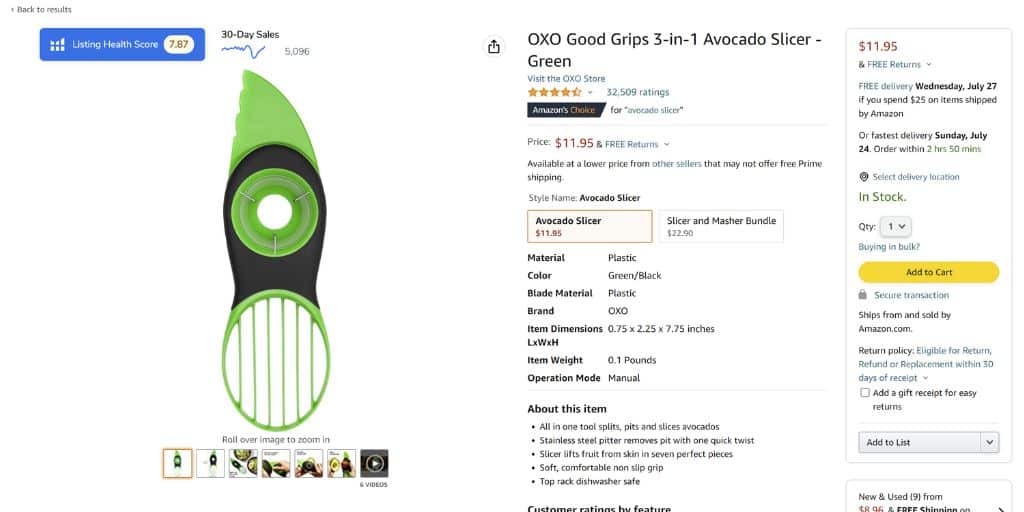
Then, you run their estimated monthly volume through a software suite like Helium 10 to see what kind of market share they’re holding down.
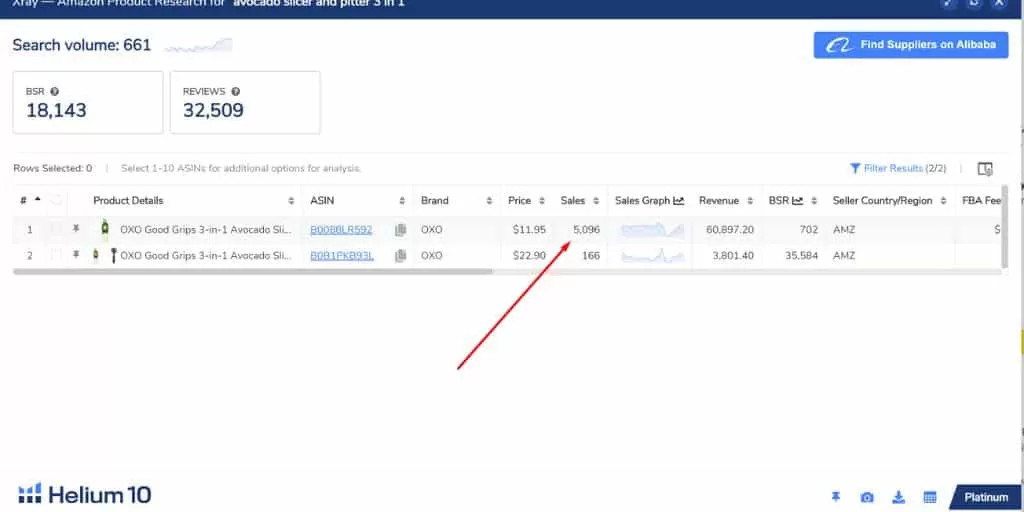
Then you tell yourself, “Perfect, I know exactly how to beat them. I just need to optimize my ecosystem:”
- Download their top organic keywords and integrate them directly into my backend listing text.
- Upgrade my visual presentation with premium A+ Content and high-definition image carousels.
- Aggressively bid on high-intent target keywords using Sponsored Products ads.
- Deploy a localized strategy to systematically increase my verified review velocities.
…and then you assume you’ll naturally absorb a healthy portion of their sales velocity and eventually overtake their ranking position.
So, you execute every single task on your optimization checklist. You wait a month. Then two. But you don’t see even a small fraction of the organic purchase volume your competitor is continuously generating.
Why is there a disconnect?
Frustrated, you decide to run their URL through an advanced reverse traffic tool like SEMRush to see where their underlying traffic pipeline is actually coming from.
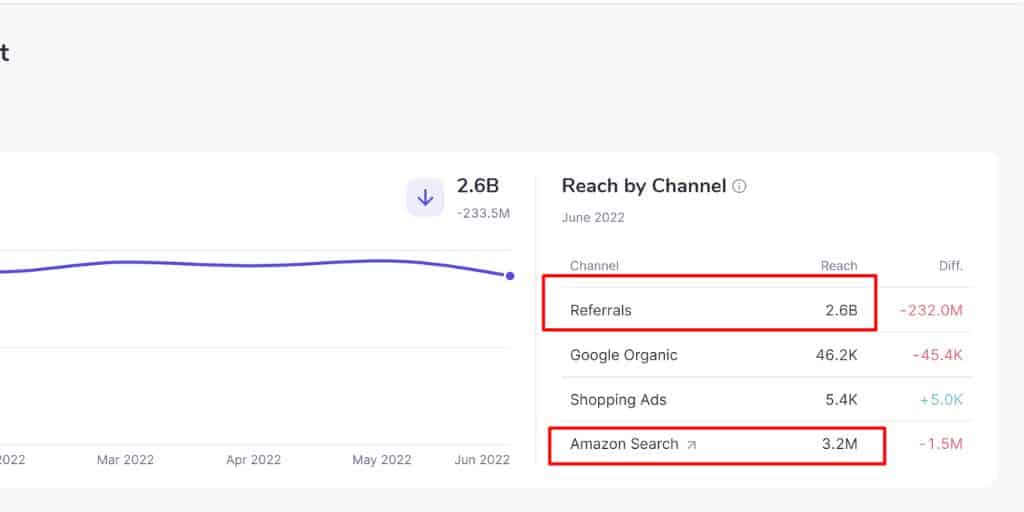
And right there, the hidden mechanism is revealed.
They aren’t winning because of standard on-site search manipulation. They are dominating because they control a massive, predictable pipeline of **external traffic referrals** built via vetted **Amazon Influencers.**
Return on Investment (ROI) For Every $1 Spent
*Based on industry average returns per $1 ad spend.
Scaling on Amazon is no longer a simple game of high keyword density. The retail engine has explicitly re-engineered its environment to prioritize third-party brands that possess the operational capacity to systematically drive external traffic from off-site networks directly onto their marketplace platform.
But what happens if you don’t possess a massive direct-to-consumer email database, an established social presence, or high native Google SEO equity? This is where an optimized Amazon Influencer strategy becomes your ultimate leverage point.
By executing structured creator collaborations, you tap directly into warm, hyper-targeted consumer ecosystems across blogs, YouTube, and specialized niche profiles. In this detailed guide, you will learn exactly how to orchestrate these partnerships to maximize on-site conversion performance, solidify your brand presence, and scale your organic listing authority.

What is Amazon Influencer Marketing?
To scale your off-site strategy effectively, we must first baseline our operational definition: **What is Amazon Influencer Marketing?**
At its core, this is a dedicated digital distribution channel where brand operators form direct partnerships with content creators who own established, high-trust audiences. These creators leverage multi-format digital assets to direct pre-sold, high-intent consumers straight to your product pages.
This ecosystem isn’t a speculative new trend. Since 1996, the foundational infrastructure has existed via the legacy Amazon Associates Program, rewarding publishers with structural commission metrics for referring buyers to the marketplace platform. Today, that digital network spans over 1 million active affiliates and creators worldwide.
That represents a massive matrix of distributed web real estate waiting to feature your product line.
How Does Amazon Influencer Marketing Work?
- Partnership Initiation: A brand forms a programmatic relationship with a vetted creator whose content theme directly aligns with the brand’s core customer demographic.
- Asset Deployment: The influencer produces and publishes native content (a blog post, dedicated video, or livestream segment) showcasing the product’s real-world utility.
- The Conversion Loop: Engaged audience members click the creator’s unique tracking URL, instantly arriving at the Amazon detail page with pre-conditioned buying intent.
- Programmatic Reward: Amazon tracks the checkout sequence and natively pays the influencer a percentage-based commission out of its internal referral fee margins—meaning this commission costs your brand nothing.
- The SEO Flywheel: The brand captures the raw product sale while simultaneously feeding high-weight external traffic signals into the listing’s ranking algorithm, boosting native organic search visibility and PPC efficiencies.
It is widely validated that the modern iteration of Amazon’s ranking logic aggressively favors product detail pages that demonstrate consistent external traffic influxes. Standard, isolated on-site practices like basic SEO and local PPC are now simply the cost of entry; the true competitive edge lies in off-site source management.
The beauty of building an evergreen influencer content portfolio is that its tracking footprints remain active permanently. Unlike standard digital ad campaigns that completely vanish the exact moment you turn off your ad spend, an optimized creator placement continues driving high-intent organic traffic months and even years down the road.
Core Strategic Benefits:
• Accelerated Sales Velocity: Influencer content handles the heavy lifting of product education and pre-staging. By the time a consumer lands on your detail page, their buying choice is effectively finalized, yielding much higher conversion rates than cold search traffic.
• Algorithmic Search Elevation: Steady, high-converting external traffic streams signal extreme product relevance to Amazon’s core indexing engine, lifting your baseline organic search placement across primary keyword phrases.
• PPC Optimization and Cost Reduction: As off-site touchpoints cultivate multi-channel brand familiarity, cold on-site shoppers require fewer advertising clicks to convert, steadily decreasing your blended Customer Acquisition Cost (CAC).
• Cross-Platform Google Authority: Permanent backlinks, brand search volume growth, and distributed digital mentions improve your off-amazon indexing, driving incremental direct search volume from traditional search engines.
• Compounding Content Equity: High-quality editorial articles and evergreen video reviews remain highly searchable and continuously consumed by active buyers year-round.
NEW!
UGC Amazon Shoppable Videos
$149.99 $49.99 ea. (SAVE 66%)
Limit 5 videos
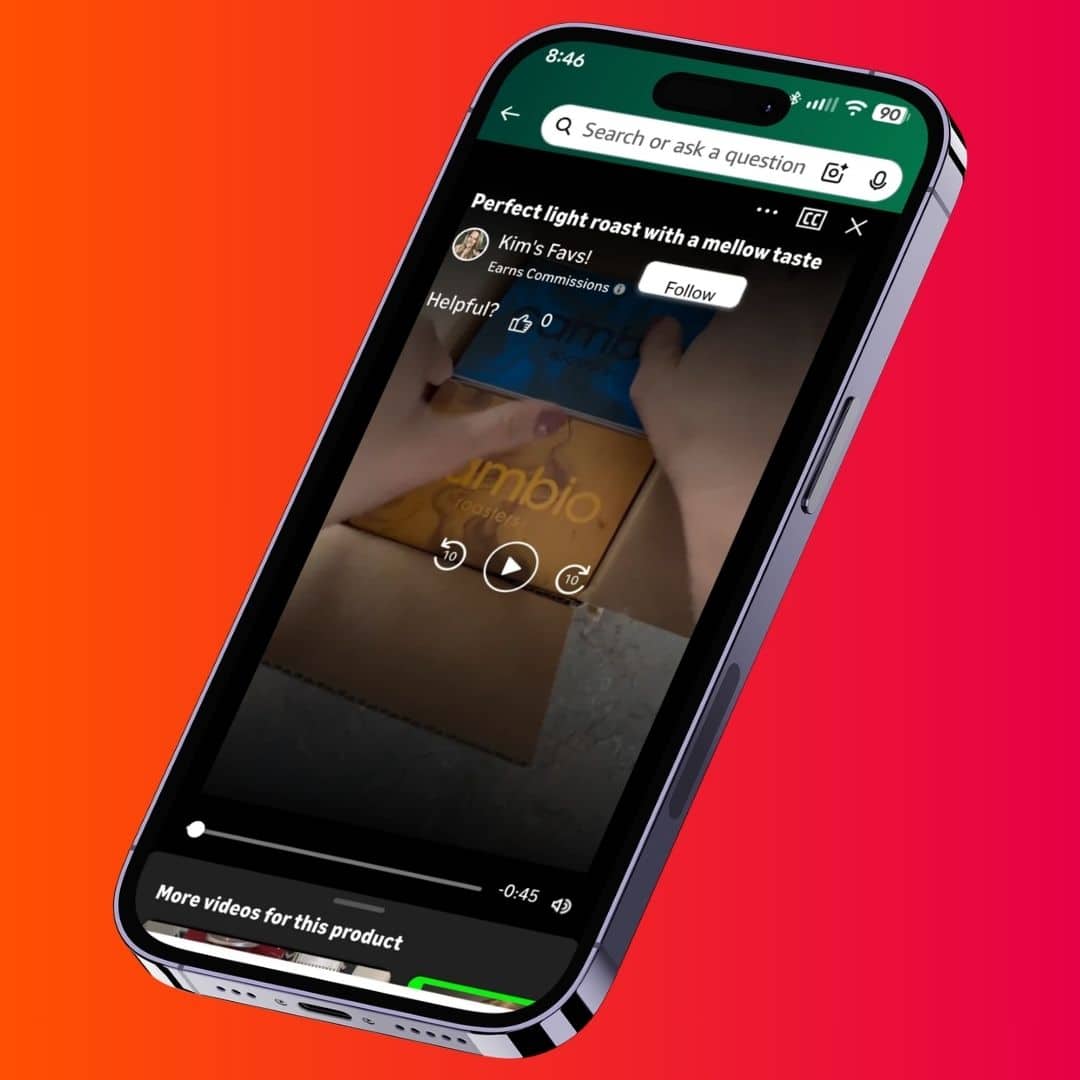
Get UGC product reviews, unboxings, product demos, lifestyle, and how-to Amazon shoppable videos from vetted Amazon Influencer UGC creators.
The 4 Primary Classes of Amazon Influencers
Modern creators come in diverse operational formats, managing specific digital properties designed to fit every marketplace category—from niche consumer electronics to trending apparel discovery spaces.
To coordinate effective partnerships, you must understand how the four primary creator classifications manage their digital real estate and drive customer action.
Class 1: Amazon Influencer Storefronts
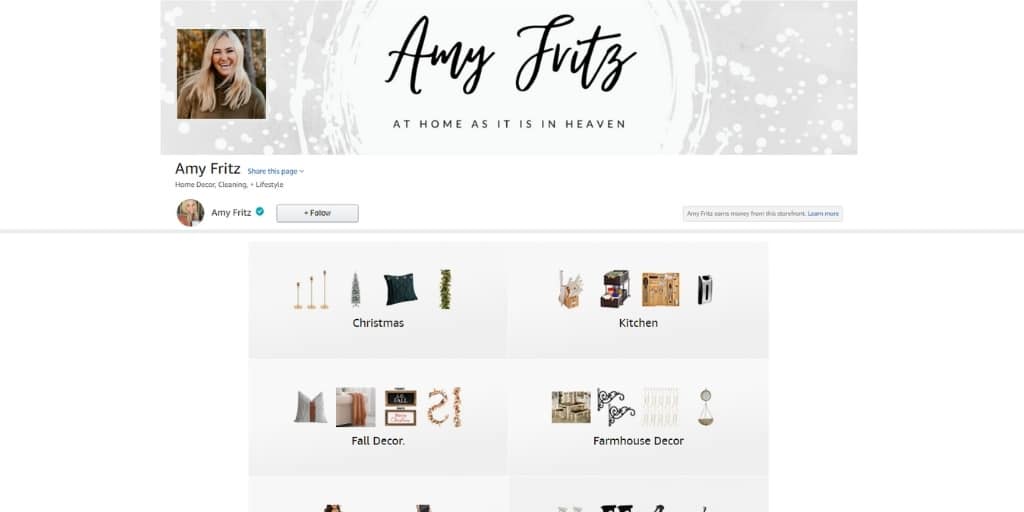
A prime blueprint of this format can be found on the verified profile managed by digital creator Amy Fritz.
How an Amazon Influencer Storefront Drives Value:
- The creator highlights a specific product recommendation across their social platforms, pointing fans to a single centralized link.
- The consumer lands on the creator’s official Amazon Storefront hub (their dedicated on-platform page).
- The visitor is presented with curated Shoppable Photos, past Livestream archives, and custom thematic collections known as Idea Lists.
- When a purchase is completed, the creator captures a structured commission on your item, along with any other auxiliary goods added to the shopper’s cart over the subsequent 24 hours.
The Strategic Edge: Storefront destinations are exceptionally powerful because they filter out passive web browsers. A user only navigates into an on-platform storefront when they possess active, immediate intent to buy curated items, making them premium conversion spots for your inventory.
Class 2: Amazon Influencer Blogs (Niche Publishers)
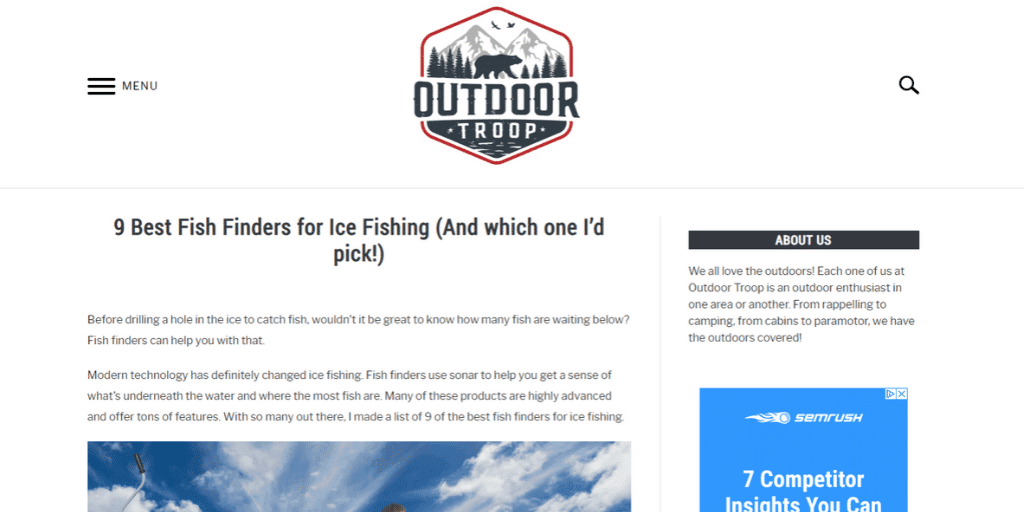
If you regularly consume curated roundups across digital media, look up technical guides, or review content distributed via digital news syndicates, you are interacting with influencer blogging networks.
This operational class spans from global media properties like Good Morning America and Buzzfeed down to highly focused, hyper-specialized niche editorial websites focused on vertical product categories.
• The Discovery Phase: A consumer initiates a specific search query on Google, such as *”best beginner archery equipment”* or *”how to set up a home espresso station.”*
• The Consumption Phase: The buyer clicks into the ranked editorial review, evaluates the contextual product breakdowns, and engages with the embedded recommendations.
• The Execution Phase: Clicking the product link directs them straight to the retail checkout flow, crediting the publisher for the session conversion.
The Strategic Edge: Niche blog placements are incredibly impactful because they perfectly align with active buyer research cycles. Audiences do not stumble upon in-depth review articles casually while scrolling social feeds; they actively seek them out with a high intent to purchase based on specific contextual problems.
Class 3: YouTube Amazon Influencers
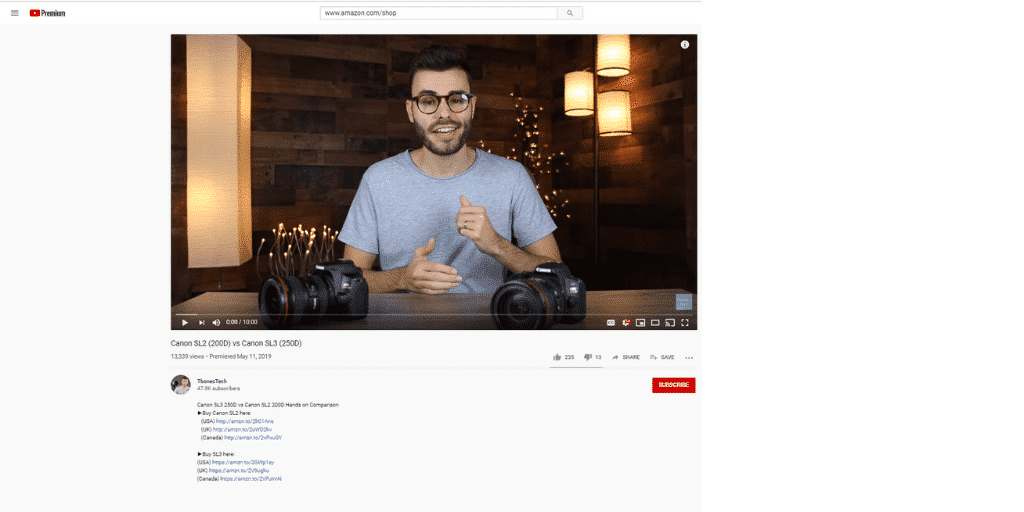
Visual demonstration platforms function as incredibly robust search engines for high-consideration purchasing decisions. Consumers turn to video reviews to evaluate product textures, spatial dimensions, and functional features before investing their capital.
• A shopper inputs a high-intent phrase like *”best moisturizing creams for sensitive skin”* into the platform’s search interface.
• They view an authentic, high-definition tutorial from a trusted beauty authority who demonstrates the product’s real-world texture and application.
• The creator directs the viewer to look in the video description field, which houses their custom affiliate tracking links and direct storefront shortcuts.
• The customer checks out, and the video creator earns a performance-based fee for driving a pre-educated user into the listing environment.
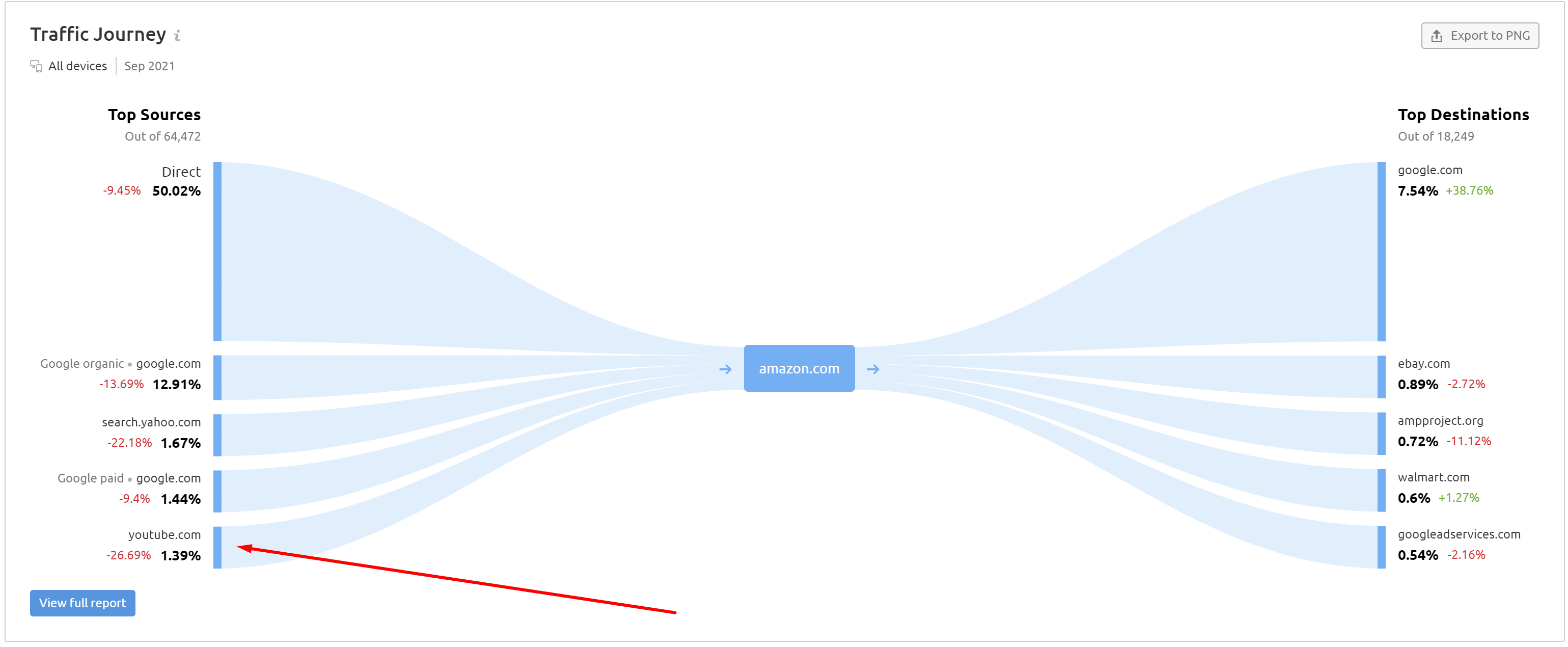
Data pulled from multi-channel traffic mapping software like SEMRush consistently proves that video search platforms rank among the top global external traffic pipelines feeding the Amazon marketplace ecosystem every single day.
Class 4: Amazon Live Broadcasters
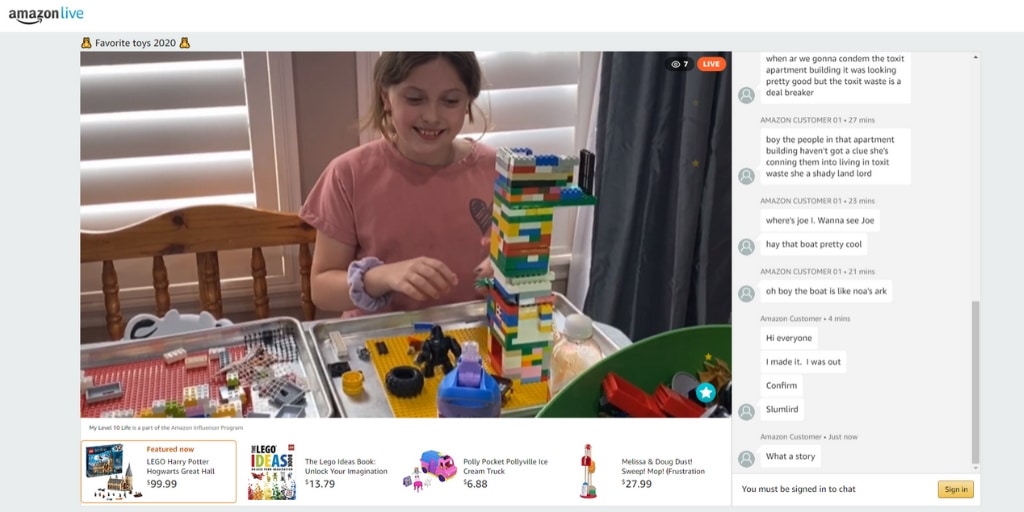
Imagine the immense conversion leverage of having an expert host demonstrate your inventory in real time to active platform users who are already looking for options within your category. This is exactly what the internal live streaming network delivers.
Top-tier Amazon Live broadcasters actively cultivate cross-platform fan bases across social media networks, cross-promoting their upcoming on-platform broadcasts to maximize viewer engagement.
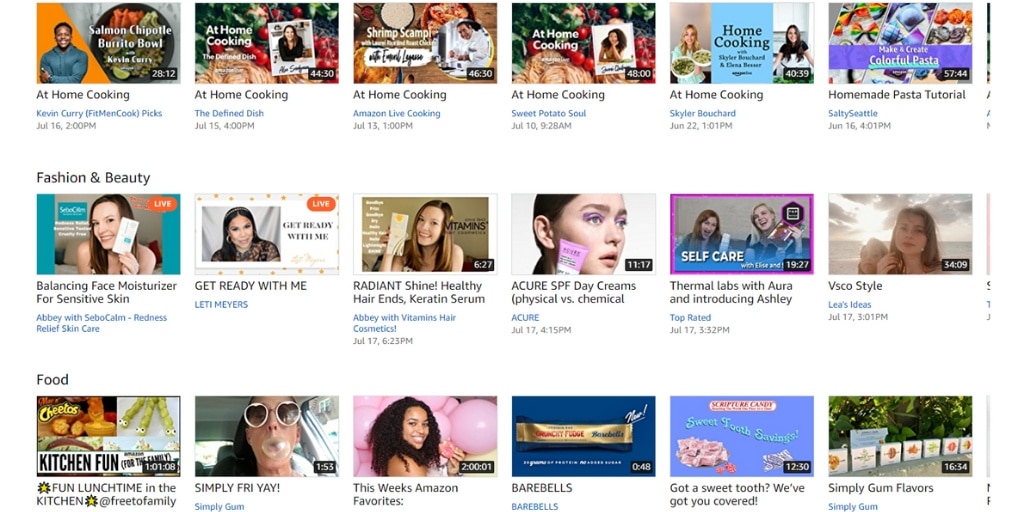
• Audience Mobilization: The host runs multi-platform teaser campaigns alerting followers to an upcoming live product showcase, providing clear scheduling links.
• Interactive Presentation: The creator hosts a live broadcast, unboxing items, running comparative demos, taking user questions, and breaking down core product features.
• Seamless Purchase Flow: The specific items being discussed automatically appear inside a dynamically updating product carousel located directly beneath the stream’s video player.
• Instant Conversion: Viewers tap items in the carousel to add them to their carts without interrupting the viewing experience, making it an incredibly frictionless purchase journey.
The Strategic Edge: Live hosts are phenomenal conversion engines because their interactive, responsive content formats naturally clear customer hesitation. The ability to instantly click and buy directly from the stream’s product grid creates an incredibly smooth retail experience that drives immediate revenue spikes.

Setting Campaign Goals: Structuring Your Off-Site Metrics
Whether you operate an agile private label brand or manage a complex corporate catalog, your underlying operational goals remain uniform across all influencer campaigns:
• Maximizing listing sales velocity while keeping acquisition costs under control.
• Expanding brand touchpoints to win top-of-funnel customer attention.
• Increasing algorithmic relevancy scores to lift organic search placement.
• Driving high-efficiency external traffic to scale your Return on Ad Spend (ROAS).
How To Negotiate With Influencers
Get 10 TACTICS working right now.

Because the Amazon ecosystem weighs external traffic conversions so heavily, these off-site activities directly amplify your entire on-platform advertising framework. Elevating your external traffic velocity yields better ad impressions, lower customer bounce rates, and improved conversion signals. This algorithmically lowers your internal Pay-Per-Click (PPC) advertising costs while boosting your listing’s baseline organic visibility.
The Multi-Format Content Sourcing Architecture
When acting as a specialized brand strategist, the most critical error you can make is bottlenecking your campaign footprint by focusing exclusively on a single creator format.
Why this limits your growth: If you only focus on sourcing Storefront-exclusive profiles, you miss a massive opportunity. Those creators excel at driving shoppers who are already navigating within Amazon’s walls, but they don’t capture new demand from external channels. To maximize your organic search authority, you must maintain active, continuous touchpoints across the entire multi-channel web journey.

To win long-term market share, you need to diversify your asset outreach and secure placements across all primary internet destinations.

Asset Type 1: High-Authority Editorial and Blog Placements
Direct your outreach terms toward securing placement inside ongoing, contextually relevant article structures such as:
- Comprehensive *”Top 10″* and Product Comparison Roundups.
- Curated Category Selections (e.g., *”Our Team’s Tested Favorites”*).
- Thematic Holiday Shopping Guides and Strategic Gift Ideation Blueprints.
- Step-by-Step Practical Handbooks, Resource Checklists, and Technical How-To Long-form Articles.
The Strategic Value: Written editorial content has incredible staying power because it continuously captures organic search traffic across platforms like Google and Apple News. These articles catch consumers during their final evaluation phase right before they make a buying decision, driving exceptionally high-intent external traffic that boosts your listing authority.
Asset Type 2: Evergreen YouTube Feature Videos
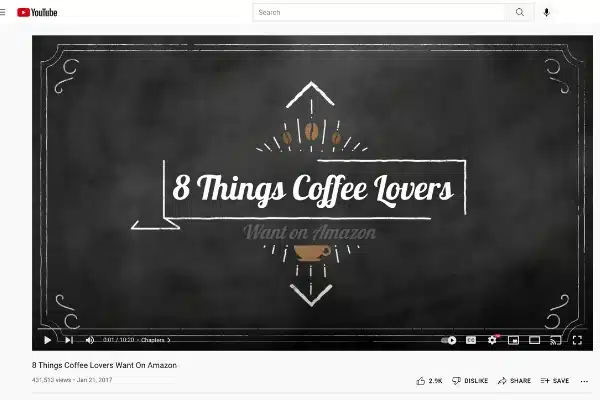
Negotiate for permanent placement inside highly searchable video asset formats, including:
- Detailed Product Overviews and Comparative Testing Sessions.
- Curated Niche Must-Haves (e.g., *”Essential Travel Gear for 2026″*).
- In-Depth Functional Tutorials and Unboxing Content.
- Lifestyle Hauls and Real-World Application Showcases.
The Strategic Value: High-performing video reviews frequently dominate both video search results and recommended watch algorithms for years. Because video allows buyers to see your product’s performance in real time, it builds immense social proof and pre-sells the consumer before they ever click through to check out.
Asset Type 3: Keyword-Targeted Advertorial Product Reviews
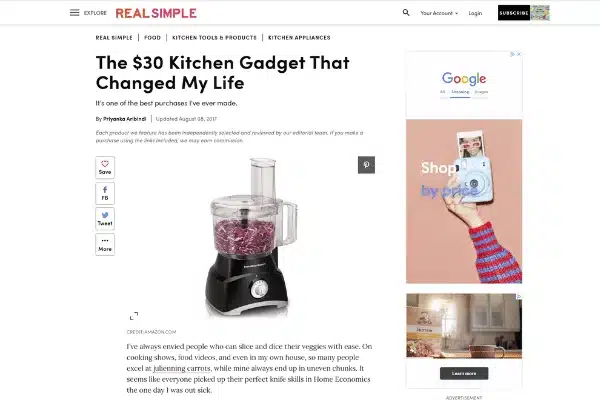
When budgeting for deep-dive product features, move away from dry, clinical reviews and structure your creative brief to favor engaging, problem-solving narrative titles:
- *”The $30 Smart Kitchen Asset That Saved My Morning Routine”*
- *”This Clever $25 Backyard Discovery Transformed How I Landscape”*
- *”Struggling With Restless Sleep? This All-Natural Formula Actually Works”*
- *”Why This New Specialty Coffee Brand is Completely Taking Over My Feed”*
The Strategic Value: Dull, corporate headlines rarely generate clicks or capture interest. Framing your product within an engaging, high-interest narrative hooks your target customer instantly. This sets up the product as an essential solution to a specific daily challenge, ensuring the consumer lands on your detail page fully primed to buy.
Asset Type 4: Interactive Live Stream Segments
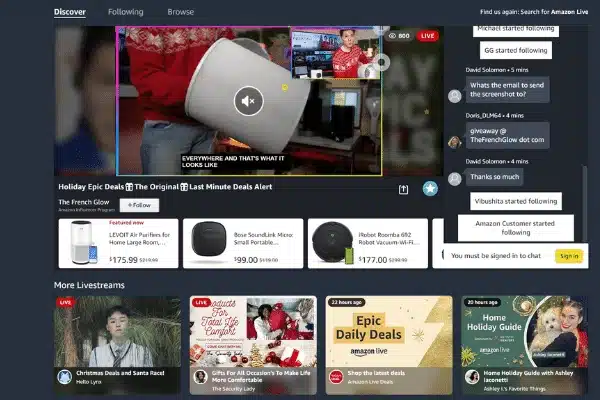
Structure your outreach parameters to integrate your product line into thematic live broadcasts (e.g., pitching an avocado prep tool directly into a live broadcast titled *”Must-Have Kitchen Gadgets That Save Time”*).
The Strategic Value: Live broadcasts provide an authentic, real-time venue to showcase your product’s daily utility and answer consumer questions live. The ease of buying items directly from the interactive product carousel right beneath the stream drives immediate conversion spikes and sales velocity.
Asset Type 5: Amazon Shoppable Videos (Detail Page Carousels)
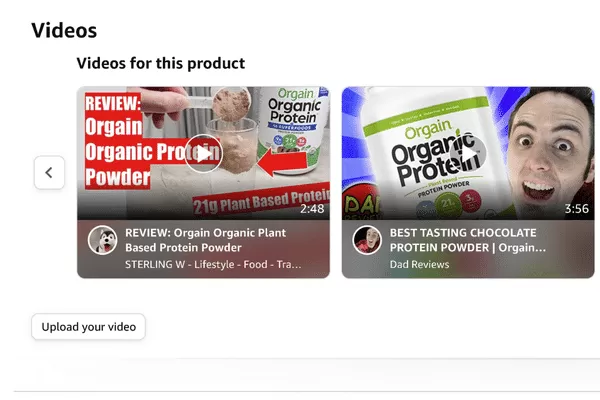
While any verified buyer can upload basic user content to your product detail page, professional creators who have cleared Amazon’s video onboarding gates can place high-production product videos that populate both their personal Storefront and **YOUR active Product Detail Page carousels.**
When negotiating terms, ensure creators upload their final asset directly to their official storefront while optimizing for Amazon’s native placement widgets:
• Main Image Carousels: Verified creator assets can populate your upper main media block, sitting right alongside your primary product images.
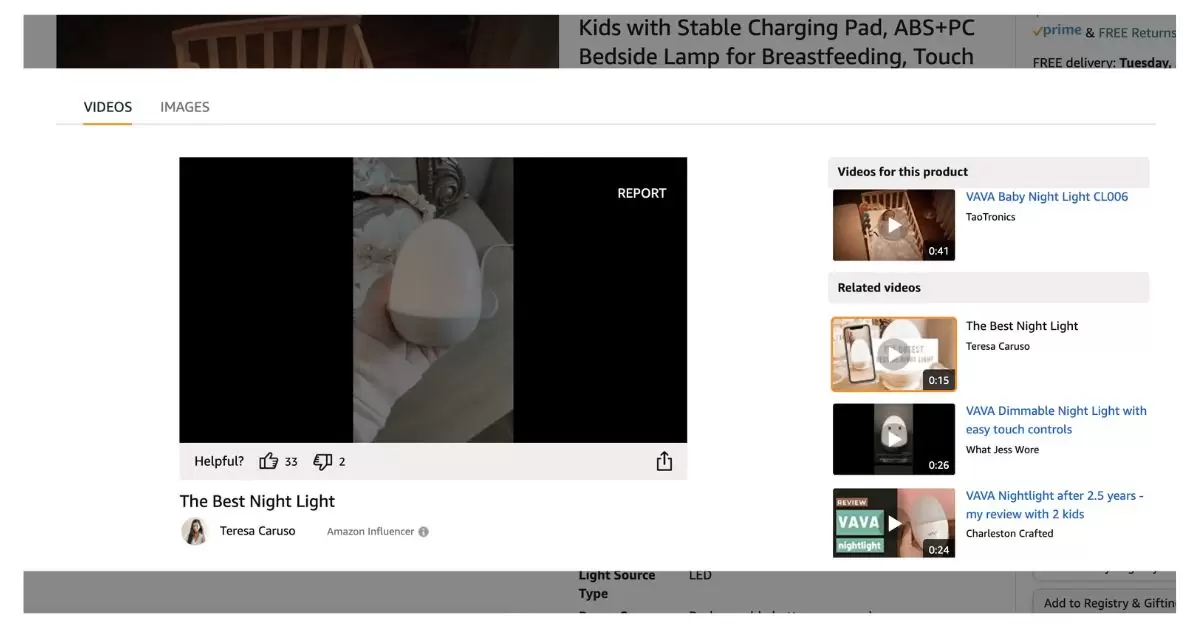
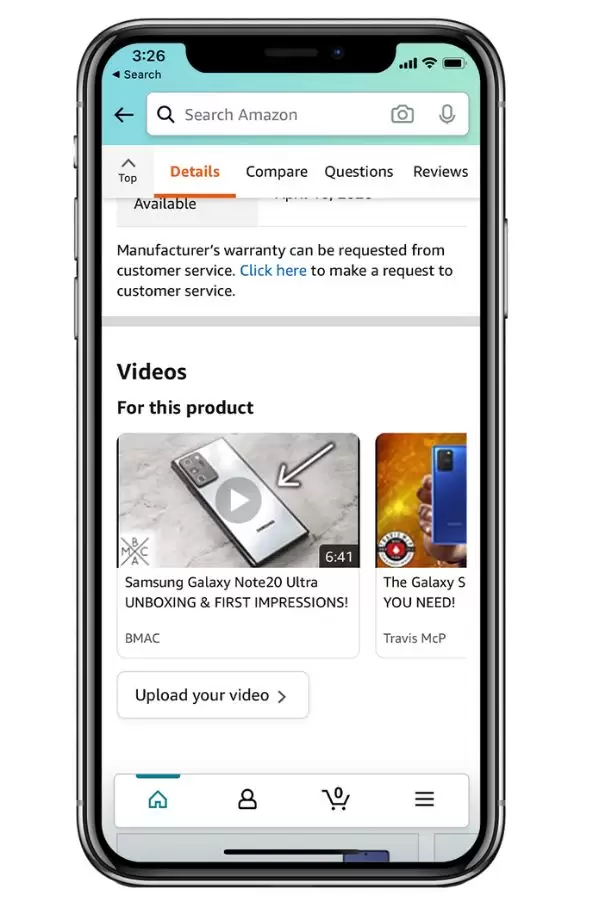
• Lower Video Widgets: Approved assets will populate the prominent video carousel located in the center of your detail page, positioned right above the customer review section.
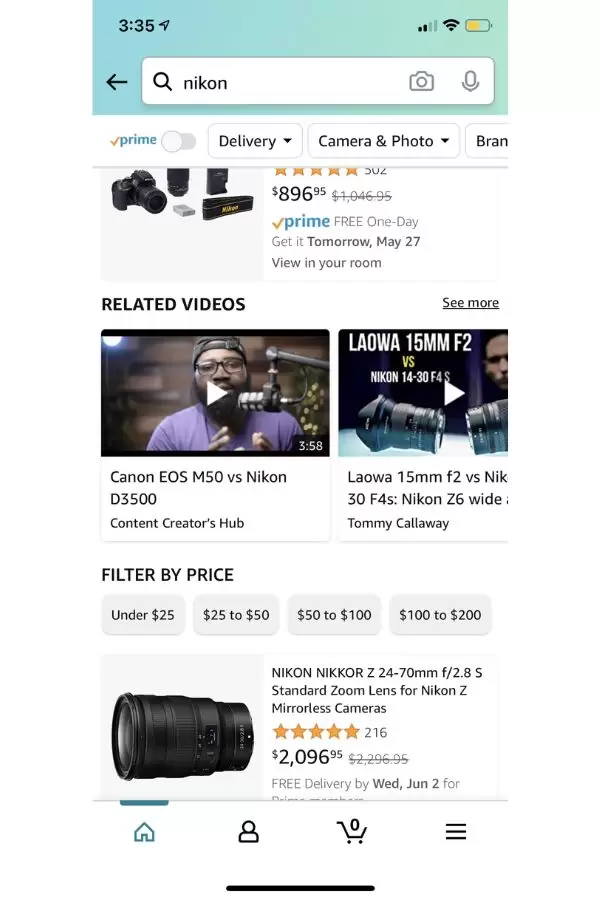
• Category Search Placements: When platform users run searches in specialized product spaces, Amazon’s algorithm frequently pulls relevant creator videos directly into the main search result pages.
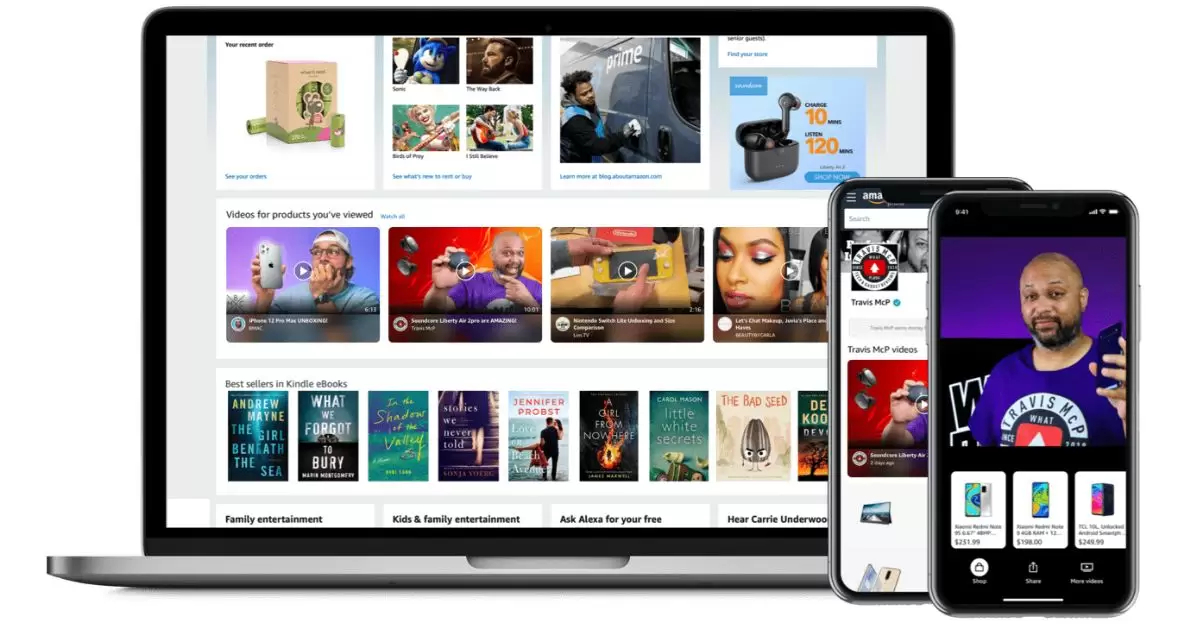
• Personalized Home Page Recommendations: Amazon regularly tests and pushes high-performing creator video blocks directly onto users’ personalized home feeds based on their past browsing history.
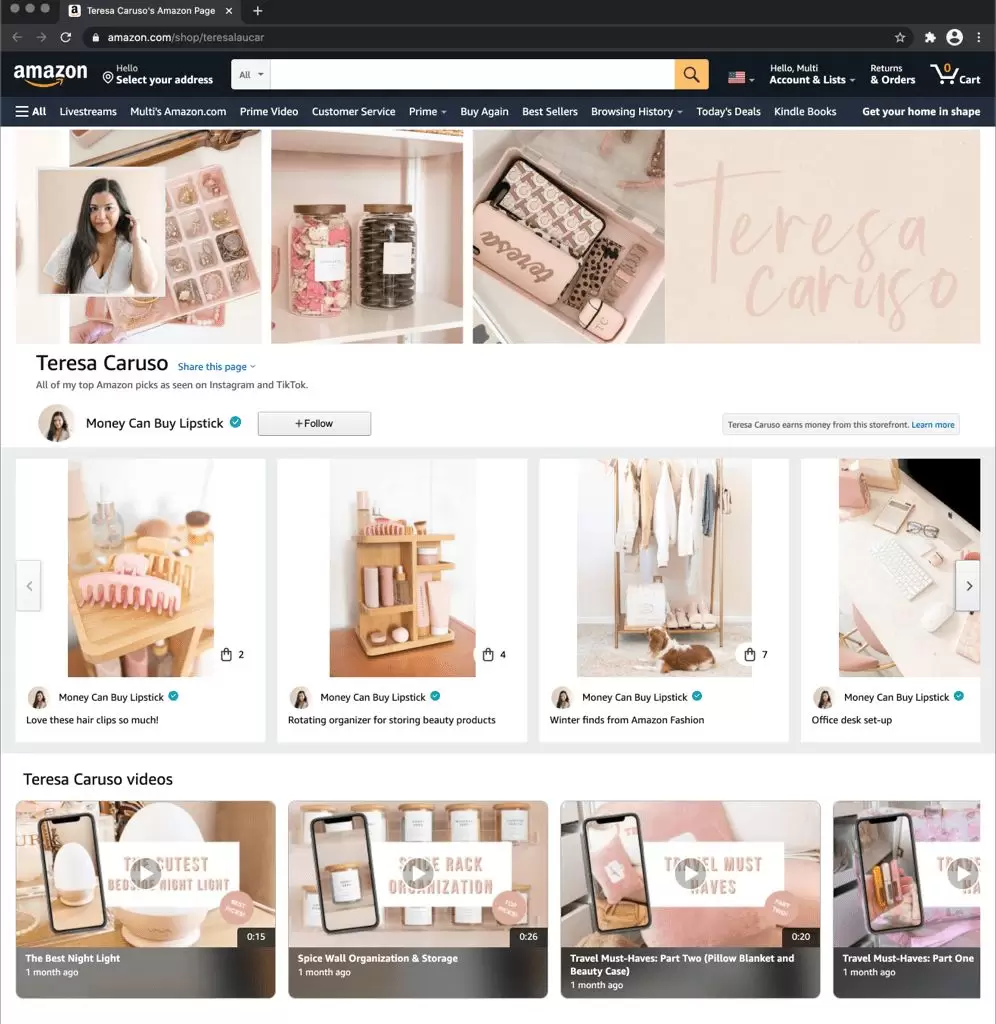
• Permanent On-Platform Storefront Hubs: Your video placements remain permanently active on the creator’s personal storefront grid, neatly organized by upload date.
Critical Briefing Note: Always instruct your contracted creators to explicitly use high-intent terms like “REVIEW” or “UNBOXING” directly inside their official video titles. This simple titling practice significantly increases the probability that Amazon’s automated moderation filters will select and push the video asset onto your main product detail page carousels.
The Strategic Value: High-quality videos on your product listing do wonders for conversion metrics. They increase shopper dwell time, slash bounce rates, and lower abandonment numbers. These strong performance metrics tell Amazon’s search algorithm that your listing is highly relevant, raising your organic search rankings and maximizing your overall conversion efficiency.
Asset Type 6: Integrated Amazon Storefront Placements
Ensure that beyond any single platform feature, your product is permanently added to the creator’s curated niche collections on their main storefront hub. This ensures that whenever their followers browse their profile for recommendations, your product line maintains constant, long-term visibility within their community ecosystem.
Frequently Asked Questions
What is Amazon Influencer Marketing?
Amazon Influencer Marketing is an off-site traffic channel where brands partner with content creators on Blogs, YouTube, TikTok, and Amazon Live to drive warm traffic directly to product detail pages via dedicated affiliate tracking links.
How do Amazon Influencers get paid?
They receive a percentage-based affiliate commission natively from Amazon’s Associates program for tracking sales. Brands often supplement this with flat content creation fees, free product tracking, or custom performance bonuses via Amazon Attribution.
Why does external traffic help my Amazon ranking?
Amazon’s search algorithm rewards listings that bring outside traffic onto the platform. High-velocity external clicks and conversions signal immense brand authority, boosting organic keyword rankings and lowering internal advertising costs.
What is an Amazon Shoppable Video, and where does it appear?
An Amazon Shoppable Video is a high-utility product review, tutorial, or unboxing clip uploaded by a registered influencer. Once approved by Amazon’s moderation team, these videos are eligible to appear directly in the main image carousel at the top of your product detail page, in the dedicated video widget below your product information, and even across native search results and customer homepages.
How can I make sure an influencer’s video lands on my Product Detail Page?
While final placement is managed by Amazon’s internal algorithms, you can significantly maximize your odds by instructing the creator to include high-intent terms like “REVIEW” or “UNBOXING” directly inside the official video title. Additionally, the influencer must tag your specific ASIN when uploading the file to their personal storefront hub to trigger the platform’s automatic cross-placement filters.
![Amazon Influencer Marketing The COMPLETE Guide [EXAMPLES]](https://www.sourceapproach.com/wp-content/uploads/2020/01/Profile-Image-Tanner-Rankin-Amazon-Consultant-and-eCommerce-Consultant-The-Source-Approach.jpg "Amazon Influencer Marketing The COMPLETE Guide [EXAMPLES]")

![How To Drive External Traffic to Amazon [GUIDE]](https://www.referazon.com/wp-content/uploads/2026/02/The-Ultimate-Guide-to-Driving-External-Traffic-to-Amazon-Referazon-Amazon-Influencer-Search-and-CRM.jpg)
![What To Ask For From Amazon Influencers [EXAMPLES]](https://www.referazon.com/wp-content/uploads/2026/02/What-To-Ask-For-From-Amazon-Influencers-Referazon-Amazon-Influencer-Search-and-CRM.png)
![How To Work With Micro-Influencers And Get Mega Reach [EXAMPLES]](https://www.referazon.com/wp-content/uploads/2026/02/How-To-Get-Mega-Reach-From-Micro-Influencers-Referazon-Amazon-Influencer-Search-and-CRM.png)
![How To Find Amazon Live Influencers Fast [EXAMPLES]](https://www.referazon.com/wp-content/uploads/2026/02/How-To-Find-Amazon-Live-Influencers-Fast-Referazon-Amazon-Influencer-Search-and-CRM.png)
![How To Find Amazon Influencer Storefronts Fast [EXAMPLES]](https://www.referazon.com/wp-content/uploads/2026/02/How-To-Find-Amazon-Influencer-Storefronts-Fast-Referazon-Amazon-Influencer-Search.png)
![Amazon Influencer Storefronts EVERYTHING You Need To Know [EXAMPLES]](https://www.referazon.com/wp-content/uploads/2026/02/Amazon-Influencer-Storefronts-EVERYTHING-You-Need-To-Know-Referazon-Amazon-Influencer-Search-and-CRM.png)