Sourcing profitable Amazon Influencer Storefronts can often feel like trying to locate a needle in a digital haystack.
Worse yet, even if you manage to hunt down a few dedicated storefront addresses, trying to accurately evaluate their cross-channel social audience sizes, historical growth rates, and real engagement metrics is nearly impossible. You are left guessing if a creator is actually a traffic driver or just a ghost town profile.
That is precisely why this comprehensive systems manual on how to find Amazon Influencer pages exists. Your team will gain a systematic blueprint to locate hidden storefront links, instantly judge whether a creator aligns with your profit margins, and cut through the metric visibility gap.
We will examine the exact procedures for unearthing top-performing profiles natively within Amazon, scraping visual social discovery search engines, and utilizing unified analytics via a streamlined Amazon Influencer Storefront Search system.
How To Find Amazon Influencer Storefronts in the Facebook Ecosystem
If your immediate growth objective is to post clear product placement opportunities and quickly evaluate inbound applications from verified creators, you can tap into a highly active social clearinghouse.
The Amazon Influencer Marketing Facebook Group
Your first operational step is leveraging the Amazon Influencer Marketing Facebook Group.
This community hosts thousands of e-commerce brand operators and active Amazon creators who gather specifically to structure affiliate partnerships, review performance, and execute product placement campaigns.
To launch your tracking and recruitment process inside the network, execute this workflow:
- Request access to join the curated group dashboard.
- Draft a high-clarity post showcasing a clean hero asset of your inventory, a direct ASIN link, your specific performance expectations, and your exact commission or flat-fee compensation structures.
- Directly review incoming applications in the comments section and cross-verify pitch details inside your private messages.
NEW!
Amazon Shoppable Videos
$149.99 $49.99 ea. (SAVE 66%)
Limit 5 videos
Get product reviews, unboxings, product demos, lifestyle UGC, and how-to Amazon shoppable videos from vetted Amazon Influencers.
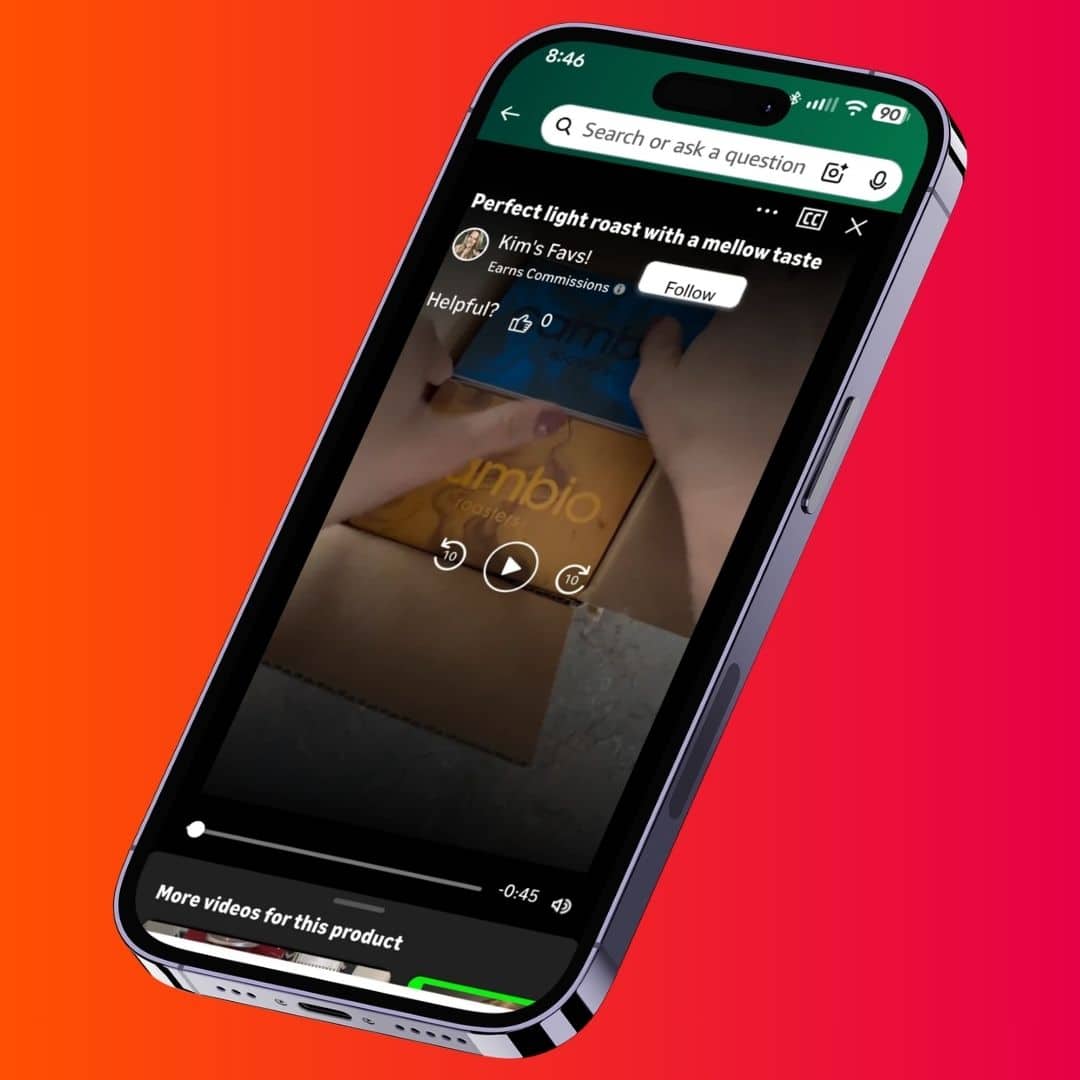
How To Find Amazon Influencer Storefronts on App (Amazon Natively)
When considering how to uncover creator spaces without the help of a third-party database, your initial path begins inside the parent application itself.
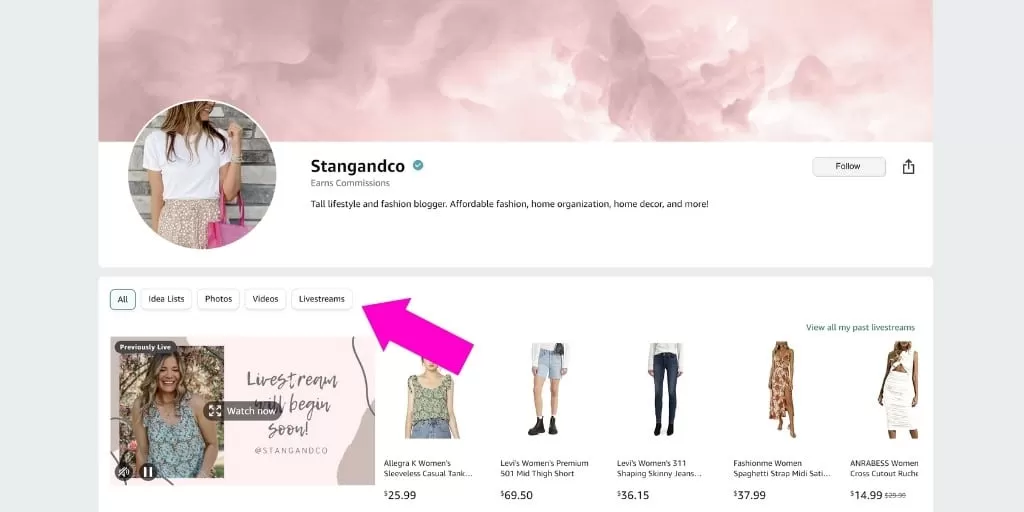
The clear advantage here is that Amazon does make it technically possible to find Amazon Influencer Storefront on app or desktop layouts across specific aesthetic and lifestyle verticals—including Interior Design, Women’s Fashion, Pet Supplies, and Outdoor Gear.
The major disadvantage?

Those lifestyle clusters represent only a fraction of the product categories selling on the platform. If you want to locate hyper-targeted pages in specialized niches like specialized industrial tools, baby safety, or consumer electronics, the native layout offers no search filter.
Furthermore, even when you find a creator page manually, it remains completely isolated from their off-Amazon statistics. Unless you deploy an integrated Amazon Influencer Marketing Tool, you will not find verifiable external social profiles or true engagement ratios.
SOP: Manual Sourcing Directly on Amazon
- Access the Amazon home screen layout and select the primary navigation stack located in the upper-left corner.
- Scroll down through the secondary structural menu and select “See All.”
- Locate and click on the **#FoundItOnAmazon** social stream.
- PRO TIP: You can simultaneously navigate to the Amazon Live hub to watch creators who run real-time video demonstrations.
- Filter down into the sub-category most relevant to your active catalog.
- Isolate a visual post from a verified Amazon Influencer Storefront featuring adjacent products.
- Click the creator’s avatar or profile name anchor link.
- Review their native storefront layout, examine their user-curated Idea Lists, and judge if their audience matches your brand aesthetics.
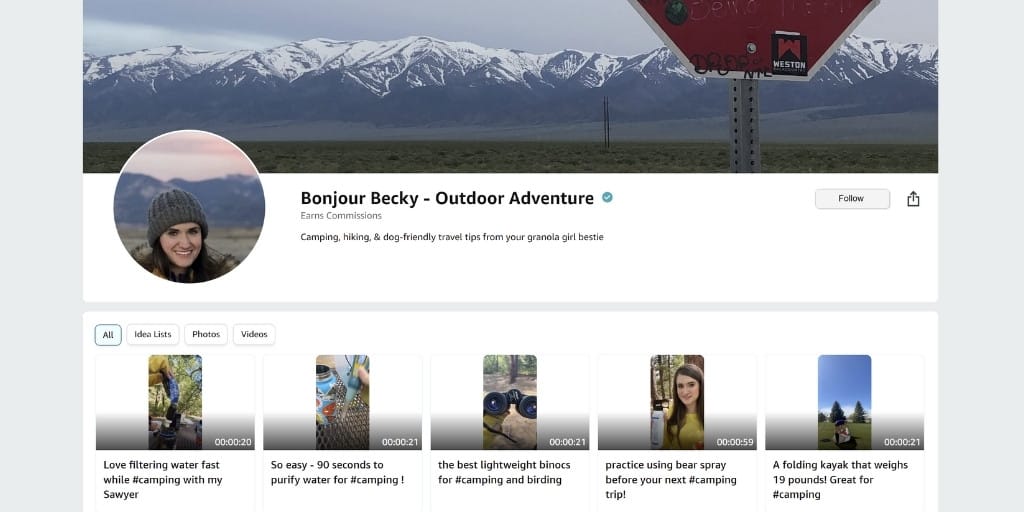
| Pros | Cons |
|---|---|
| Direct native sourcing: Uncover storefront layouts without ever exiting the Amazon infrastructure. | Social blind spot: Zero visibility into what specific platforms the creator actually operates on. |
| Simple taxonomy: Clean, visual categorization layout allows for rapid initial exploration. | Metric blackout: No method to cross-examine audience engagement scales or verified follower counts. |
| Live updates: Displays real-time content and freshly published user lists as they happen. | Uneven coverage: Restricts discovery to general aesthetic categories, ignoring niche product sectors. |
If Amazon’s native #FoundItOnAmazon hub does not feature a dedicated section for your specific product vertical, your next logical tracking option is scraping social discovery pipelines directly.
NEW!
Amazon Shoppable Videos
$149.99 $49.99 ea. (SAVE 66%)
Limit 5 videos
Get product reviews, unboxings, product demos, lifestyle UGC, and how-to Amazon shoppable videos from vetted Amazon Influencers.
How To Find Amazon Influencer Storefronts on Instagram
Extracting high-converting storefront links inside Instagram requires an intentional approach built around tracking targeted discovery hashtags.
To maximize efficiency, prioritize your searches using these primary creator tags:
- #AmazonFinds
- #AmazonMustHaves
- #FoundItOnAmazon
SOP: Tracking Creator Terminal Links on Instagram
- Open the Instagram search console and execute a query for your chosen discovery tag.
- Audit the top trending posts, identifying visual content that accurately aligns with your inventory niche.
- Click the publisher’s handle to navigate away from the post and onto their main profile dashboard.
- Locate the external navigation link located inside their primary biography area (typically structured as a Linktree, Beacons, or LinkInBio address).
- Open that multi-link landing matrix and isolate the button explicitly pointing to their Amazon Storefront URL.
- Review their live storefront asset array on Amazon to ensure their product lists mirror your target consumer demographic.
| Pros | Cons |
|---|---|
| Abundant lead volume: Provides access to vast pools of active shopping creators in single queries. | High click friction: Requires navigating multiple off-site links just to locate one storefront. |
| Instant quality audits: Allows your team to immediately evaluate aesthetic production values. | Hidden engagement: Instagram offers no direct method to audit external Amazon conversion history. |
| Brand voice tracking: Easily check if a creator’s public persona matches your corporate values. | Unpredictable mapping: Vague hashtag tracking offers no guarantee the creator reviews items in your niche. |
Once you have mined your initial batch of Instagram leads, shift your manual research workflow over to TikTok to capture high-velocity short-form video creators.

How To Find Amazon Influencer Storefronts on TikTok
TikTok is a goldmine for shoppable video content, but extracting concrete store addresses requires following the exact same rigorous hashtag-to-bio workflow.
SOP: Isolating Storefront Addresses via TikTok Search
- Open the TikTok app and type high-volume affiliate phrases like #AmazonFinds into the global search bar.
- Analyze the video feed, focusing on high-retention clips showcasing products structurally close to your own.
- Tap the creator’s username badge to open their video channel matrix.
- Locate the clickable web address positioned directly beneath their follower counts.
- Open their link hub landing screen and isolate the button leading to their verified Amazon page.
- Examine their native profile collections to determine if your items fit neatly into their existing digital shop layout.
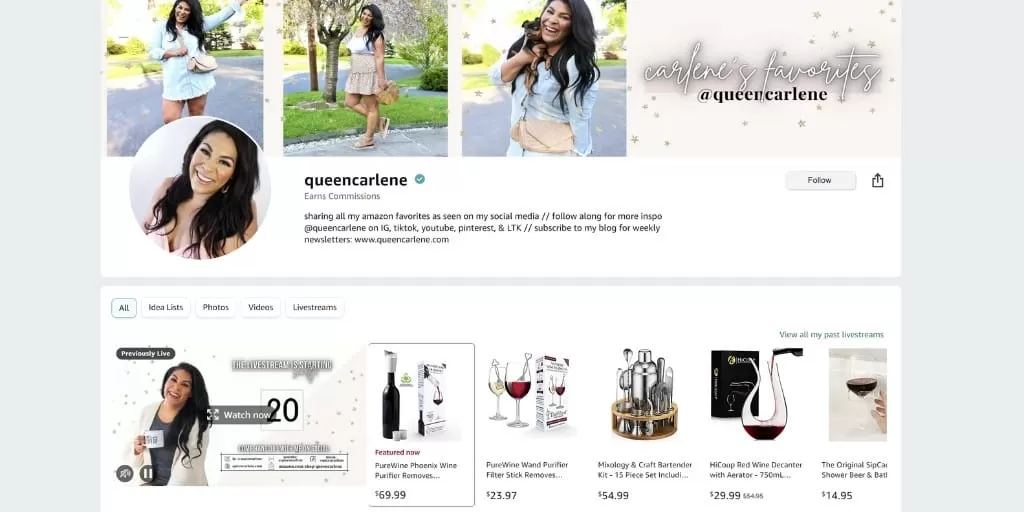
| Pros | Cons |
|---|---|
| Massive volume: Grants immediate visibility into viral product presentation trends and hooks. | Cumbersome manual path: Requires multi-layered navigation steps to track a single storefront. |
| Clear video performance: Instantly check how comfortably a host demonstrates items on camera. | No native analytics: Fails to expose the creator’s actual conversion performance inside Amazon. |
| Direct cultural match: Simple to judge if a creator’s entertainment format lines up with your brand. | High category noise: General lifestyle tags make finding precise product categories highly time-consuming. |
How To Find Amazon Influencer Storefronts Natively with Software
The absolute fastest and most precise method to surface, filter, and track verified creator profiles is deploying Referazon.
Rather than burning through valuable manual tracking hours clicking between fragmented social apps and hidden bio links, an enterprise database system unifies the entire discovery workflow. You can easily query every specific product category on Amazon, unlocking deep-layer metrics like cross-platform follower counts, historical engagement curves, and direct business email endpoints from a single dashboard.

SOP: Unified Sourcing with Referazon Intelligence Platforms
- Log into your secure Referazon command screen and select the “Storefronts” directory module from the top panel.
- Apply a search filter targeting the primary Amazon product node that directly matches your inventory catalog.
- Audit the populated list results, sorting creators by their cross-channel reach, and click “View Storefront” to review their live curation styling.
- Once a profile passes your brand parameters, log the account into your CRM pipeline and launch an automated sample outreach sequence right inside the software environment.
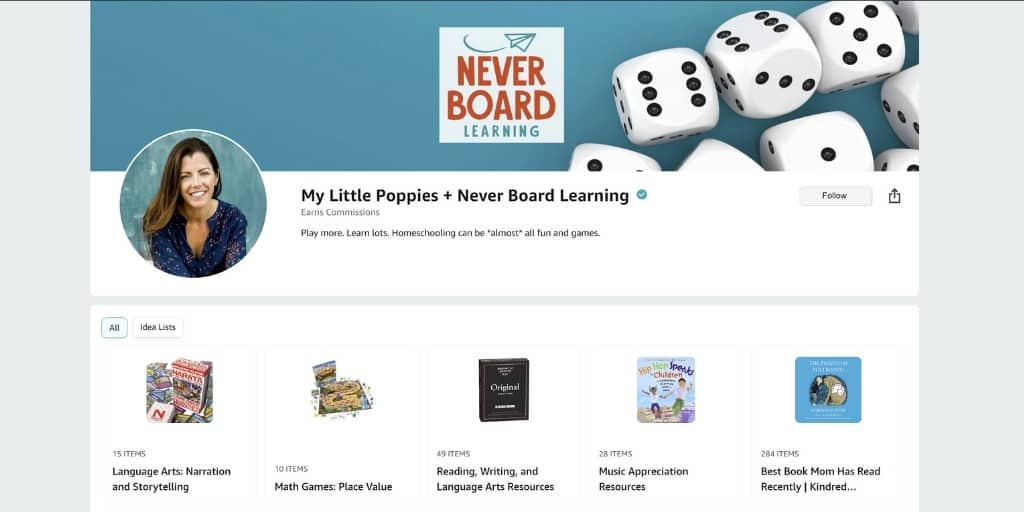
| Pros | Cons |
|---|---|
| Precision category filtering: Seamlessly uncover niche specific profiles without scraping random feeds. | Software overhead: Requires an active platform subscription to access the database terminal. |
| Instant scaling capability: Build massive, verified outreach tracking sheets in minutes. | Dynamic database growth: Requires ongoing sync checks as new creators enter the system daily. |
| Unified performance insights: Instantly check cross-channel follower counts and business emails. | Human oversight needed: Requires your internal team to confirm brand asset alignment before pitching. |
Frequently Asked Questions
How Do I Find Influencers Amazon Storefront?
You can locate an official storefront link by auditing a creator’s social bio links (via Linktree or Beacons), scanning the descriptions of dedicated YouTube product reviews, or deploying a centralized creator search database like Referazon to skip manual scraping entirely.
How Do I Find Someone’s Storefront on Amazon?
Inside the native Amazon ecosystem, click the main navigation menu, select ‘Programs and Features’ or ‘See All’, and choose either #FoundItOnAmazon or Amazon Live to browse verified creator hubs partitioned by lifestyle category.
How To Find Amazon Influencer Pages?
You can isolate dedicated influencer pages by monitoring active shopping streams on the Amazon Live platform, tracking viral category hashtags on visual social applications, or instantly querying a dedicated intelligence system like Referazon.
How To Find Amazon Influencers on App?
Open your native Amazon Shopping app, access your ‘Me’ tab or the primary navigation stack, locate trending lifestyle banners like ‘Shop By Interest’ or ‘#FoundItOnAmazon’, and select a post to open the host’s verified profile.
Can I See Some Amazon Influencer Examples?
Yes. To evaluate real-world campaign execution, content formatting, and structural list breakdowns, review our comprehensive deep dive into top-tier creators at Amazon Influencer Examples.
What is an Amazon Influencer Storefront?
An Amazon Influencer Storefront is a personalized, brand-registry style landing page hosted natively on Amazon. It allows approved creators to curate, organize, and showcase their recommended inventory using custom categorizations known as Idea Lists.
What is an Amazon Influencer Page?
An Amazon Influencer Page is the centralized storefront hub where an off-platform creator directs their social traffic to generate monetized affiliate checkouts via shoppable photos and video carousels.
What Is the Difference Between an Amazon Affiliate and An Amazon Influencer?
While both monetize traffic via the Amazon Associates framework, a traditional affiliate primarily relies on contextual text links on blogs. An Amazon Influencer is vetted for vanity social reach and is awarded an exclusive, on-platform custom storefront URL containing media assets.
How Do I Connect With Amazon Influencers?
Run a targeted category search inside Referazon to isolate matching profiles, cross-verify their visual content alignment on social media, interact with their organic feeds for several days to build initial rapport, and deliver a clear partnership pitch via direct business email.
![How To Find Amazon Influencer Storefronts Fast [EXAMPLES]](https://www.sourceapproach.com/wp-content/uploads/2020/01/Profile-Image-Tanner-Rankin-Amazon-Consultant-and-eCommerce-Consultant-The-Source-Approach.jpg "How To Find Amazon Influencer Storefronts Fast [EXAMPLES]")

![How To Drive External Traffic to Amazon [GUIDE]](https://www.referazon.com/wp-content/uploads/2026/02/The-Ultimate-Guide-to-Driving-External-Traffic-to-Amazon-Referazon-Amazon-Influencer-Search-and-CRM.jpg)
![What To Ask For From Amazon Influencers [EXAMPLES]](https://www.referazon.com/wp-content/uploads/2026/02/What-To-Ask-For-From-Amazon-Influencers-Referazon-Amazon-Influencer-Search-and-CRM.png)
![How To Work With Micro-Influencers And Get Mega Reach [EXAMPLES]](https://www.referazon.com/wp-content/uploads/2026/02/How-To-Get-Mega-Reach-From-Micro-Influencers-Referazon-Amazon-Influencer-Search-and-CRM.png)
![How To Find Amazon Live Influencers Fast [EXAMPLES]](https://www.referazon.com/wp-content/uploads/2026/02/How-To-Find-Amazon-Live-Influencers-Fast-Referazon-Amazon-Influencer-Search-and-CRM.png)
![Amazon Influencer Storefronts EVERYTHING You Need To Know [EXAMPLES]](https://www.referazon.com/wp-content/uploads/2026/02/Amazon-Influencer-Storefronts-EVERYTHING-You-Need-To-Know-Referazon-Amazon-Influencer-Search-and-CRM.png)


![How To Evaluate Amazon Influencers [EXAMPLES]](https://www.referazon.com/wp-content/uploads/2026/02/How-To-Evaluate-Amazon-Influencers-Referazon-Amazon-Influencer-Search-and-CRM.png)